
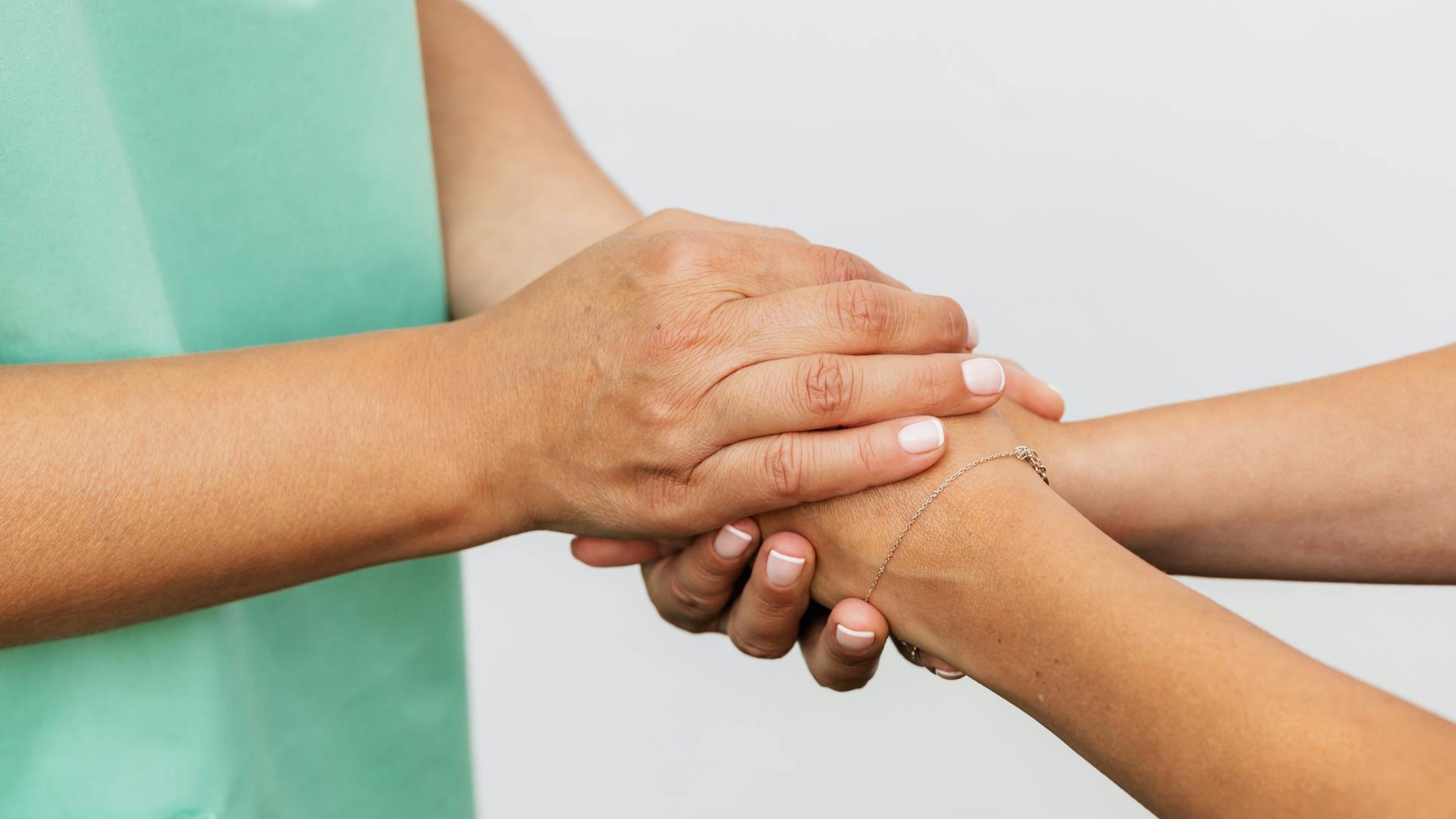
As a registered nurse on the Medical-Surgical floor at Page Memorial Hospital, I have the privilege of caring for individuals at some of the most vulnerable and uncertain times in their lives.
Our rural community depends intensely on the presence, skill, and commitment of nurses, yet much of our work remains unseen.
While nurses are often recognized for bedside care, the true scope of our responsibilities extends far beyond what most people witness.
The past several years have revealed how essential nurses are to the stability and resilience of health care, and it is more important than ever that our voices are heard.
In the Med-Surg environment, every day presents new challenges.
I may support a patient recovering from a surgical procedure, help stabilize someone experiencing acute respiratory distress, or teach a family how to manage diabetes, heart failure, or post-operative wound care at home.
This variety requires critical thinking, clinical judgment, emotional intelligence, and the ability to shift priorities within seconds.
These experiences highlight why nurses are often described as the backbone of patient care.
We are the ones who coordinate with physicians, therapists, case managers, and families to ensure everyone understands the care plan and that the patient’s needs are consistently met.
However, nursing is much more than tasks or medical interventions. It is advocacy — speaking up when a patient cannot articulate their concerns or when a discharge plan is not safe.
It is education — explaining medications, symptoms, and treatments in ways patients can understand.
It is emotional support—listening to fears, calming anxieties, and providing comfort during challenging moments.
It is leadership — guiding newer staff, improving workflows, and identifying gaps in patient safety.
These are the roles highlighted in “From Silence to Voice” by Buresh and Gordon, which encourage nurses to speak honestly and confidently about the true nature of their work.
Their message inspired me to share my own perspective, because silence diminishes not only the profession but the public’s understanding of what nurses contribute.
Rural hospitals like Page Memorial are lifelines for their communities, yet they face unique challenges, including workforce shortages, limited resources, and increasing patient needs.
Nurses step into these gaps every single day. We adapt, innovate, and find ways to ensure patients receive the highest-quality care possible.
Our work directly impacts health outcomes, especially for people managing chronic illnesses who rely on nurses to teach them how to prevent complications and remain independent at home.
I hope this letter helps illuminate the essential, complex, and profoundly human work nurses perform each day.
To strengthen our health care system, we must continue recognizing and supporting the critical role nurses play — not only in hospitals but in every corner of the community.
When nurses are empowered, valued, and provided the resources they need, our entire community benefits.
Keirsten Griffith, RN - Luray, Va.