
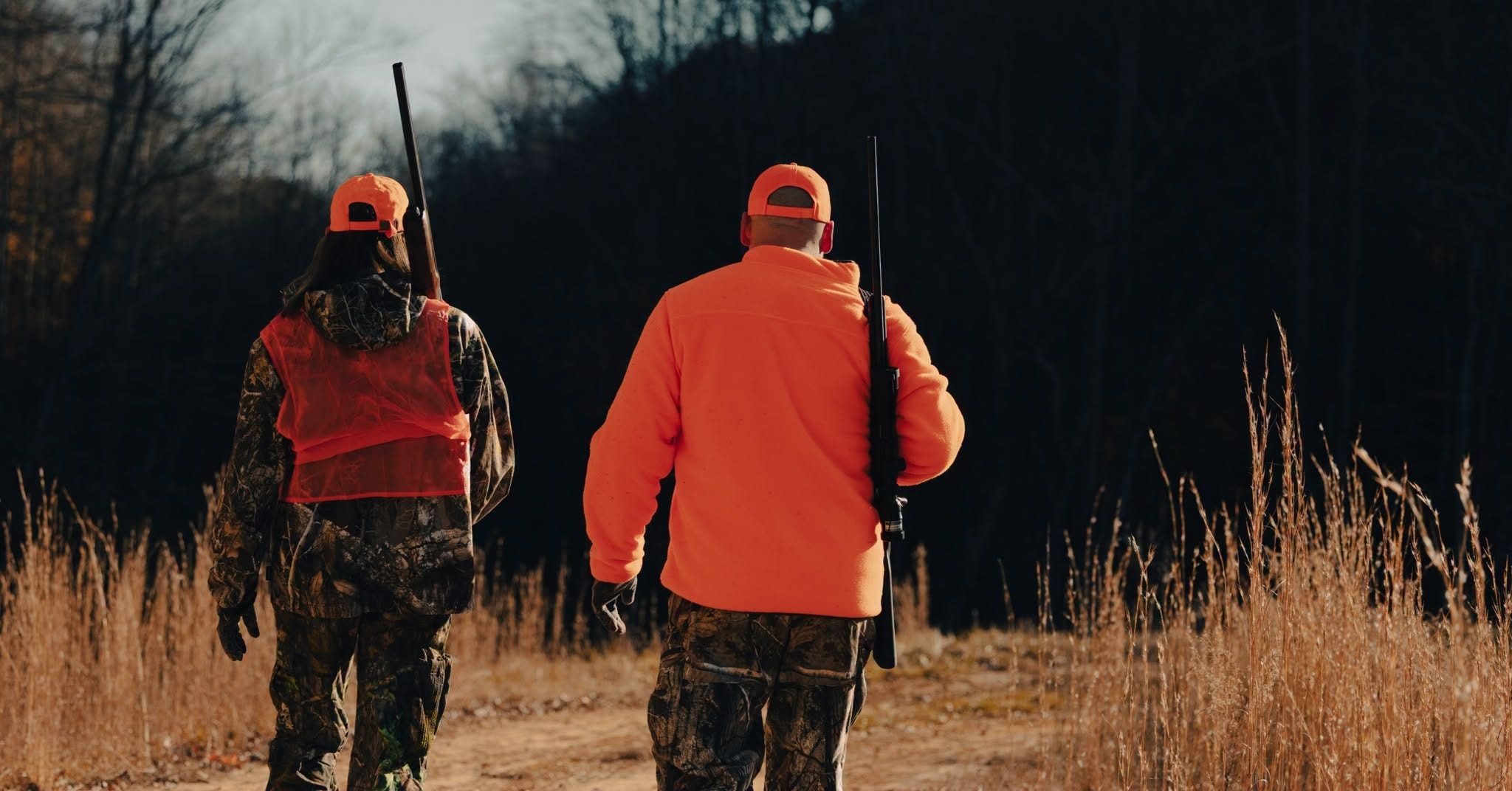
RICHMOND, Va. — Virginia’s general firearms deer hunting season opens Saturday, November 14, and state wildlife officials are reminding hunters to take safety precautions, follow hunting regulations and plan ahead before heading into the woods.
According to a media release from the Virginia Department of Wildlife Resources (DWR), a successful hunting season begins with proper preparation, including scouting hunting locations, inspecting equipment and communicating plans with others.
Hunters should have a valid hunting license, understand current regulations and inspect firearms, tree stands and safety harnesses before heading out.
Those hunting on private property must also obtain permission from landowners.
Virginia offers nearly 250,000 acres of public hunting land within DWR’s wildlife management areas, according to the release.
Wildlife officials recommend that hunters tell someone where they plan to hunt and when they expect to return.
Hunters should also carry water, snacks, a first aid kit, a cellphone or other communication device, and navigation equipment.
They must wear the required blaze orange or blaze pink clothing and should check weather conditions before leaving home.
Those using tree stands should wear safety harnesses and use fall-arrest systems to prevent serious injuries.
DWR also encourages hunters to plan ahead for removing and processing harvested deer rather than waiting until after an animal has been taken.
Chronic wasting disease testing
Hunters in designated chronic wasting disease management areas should familiarize themselves with special regulations, including restrictions on transporting deer carcasses.
Deer harvested Saturday, November 14, in Bland, Grayson, Patrick, Shenandoah, Smyth, Tazewell and Wythe counties must be tested for chronic wasting disease, commonly known as CWD.
Staffed testing stations will operate from 8 a.m. to 8 p.m. Additional refrigerated drop-off locations are available.
Although testing is not mandatory in other counties, free testing is available to hunters who voluntarily submit harvested deer.
Hunters can find testing locations and additional information on the DWR chronic wasting disease webpage.
Hunting with hounds
DWR is also reminding hunters who use hounds to respect property boundaries and communicate with neighboring landowners.
Hunting dogs should wear substantial collars with identification tags displaying their owners’ names and telephone numbers.
Hunters should take steps to keep their dogs on property where they have permission to hunt and contact landowners before attempting to retrieve dogs that have wandered onto neighboring property.
Additional information is available on DWR’s hunting with hounds webpage.
Hunters encouraged to donate venison
Wildlife officials are encouraging successful hunters to consider donating extra deer to Virginia Hunters for the Hungry, a nonprofit organization that provides donated venison to people experiencing food insecurity.
DWR says deer populations on private property in many areas of Virginia remain higher than desired.
Harvesting additional does can help manage deer populations, reduce property damage and maintain healthy wildlife habitats.
According to the Hunters for the Hungry participating processor list, there are currently no participating deer meat processors listed in Page County or surrounding counties.
Meat processors interested in joining the program can call 800-352-4868 or email hunt4hungry@cs.com for additional information.

Public input sought on future hunting regulations
In addition to preparing for the upcoming deer season, DWR is seeking public input on proposed changes to hunting, trapping and other wildlife regulations for the 2027-28 seasons.
Residents are encouraged to submit recommendations and explain the concerns or reasons behind their suggested changes.
The department said public feedback will help wildlife officials evaluate potential regulatory changes and develop recommendations for the Board of Wildlife Resources.
The deadline to submit comments is Wednesday, November 18, 2026.
Public comments will be shared with department staff and members of the Board of Wildlife Resources as they consider future regulatory changes.
Comments submitted to DWR, including contact information, become public records and may be disclosed under the Virginia Freedom of Information Act.
Additional information about the public comment process and regulatory review schedule is available on the DWR website.
Have a news lead or story idea? Email editor@shenvalleytimes.com.